Established knowledge base
Miscanthus
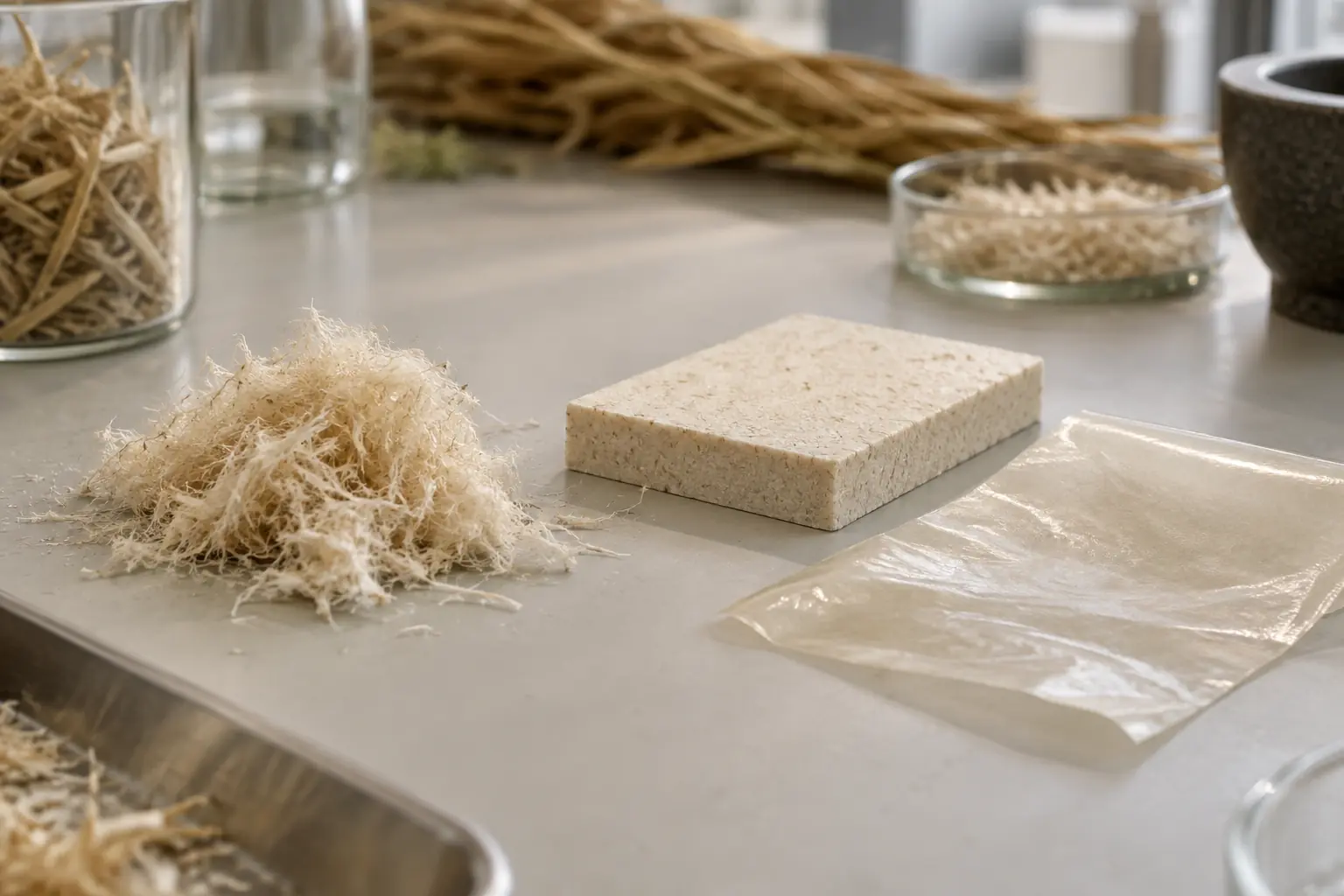
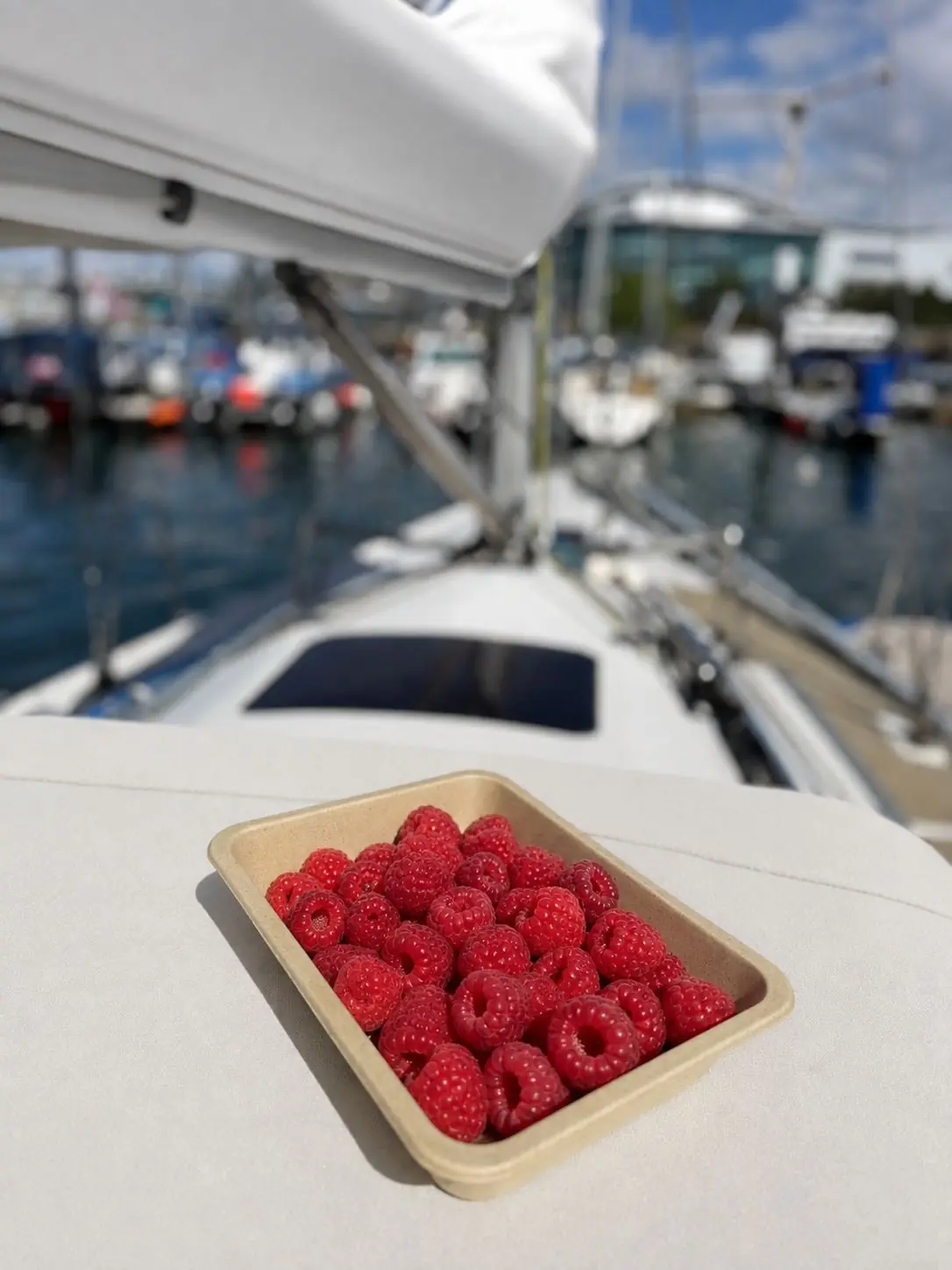
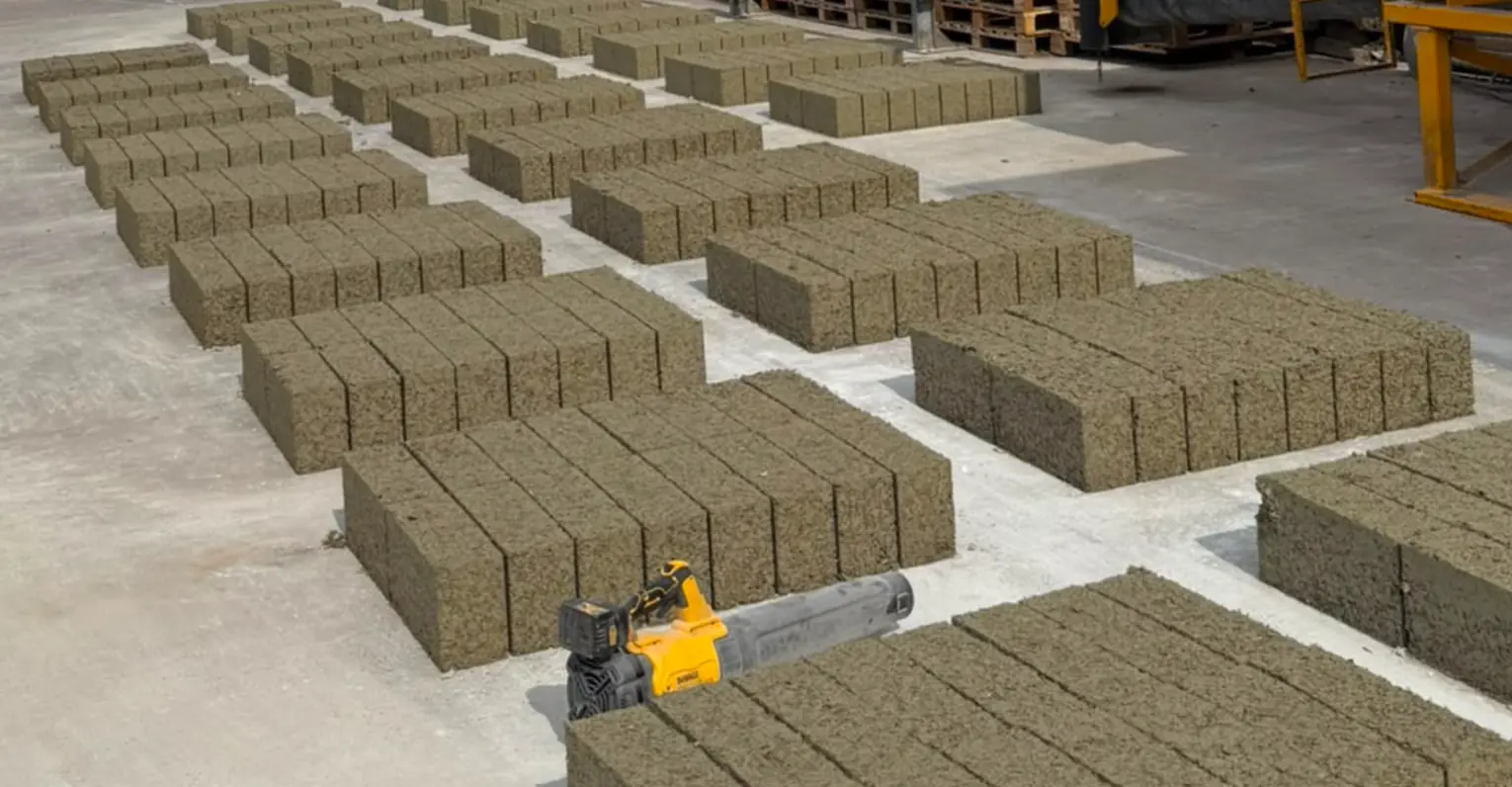
A perennial crop with applications spanning fibre, pulp, packaging, construction materials, biocomposites and energy.
Explore miscanthus
Biomass knowledge and commercialisation
We examine biomass as a connected value chain: how crops and residues are produced, processed and specified; what customers need; where credible value may be created; and which evidence is still required.
Established knowledge base
A perennial crop with applications spanning fibre, pulp, packaging, construction materials, biocomposites and energy.
Explore miscanthusExpanding knowledge base
The productive use of wet and rewetted land, including crops that may support peatland protection while supplying fibres and other useful biological materials.
Explore the first product-focused articles on Typha construction materials and cultivated Sphagnum for horticultural growing media.
Explore paludicultureCommercial direction
A crop is not a product, and tonnes of available material do not establish demand. Commercialisation depends on matching repeatable feedstock characteristics with a product specification, a customer problem, an economical conversion route and evidence that supports every material claim.
That complete route—from land and feedstock through processing, validation, manufacturing and market—is why we assess biomass opportunities through AKOS wherever practicable.
Potential value routes
Biorefining
Higher-value fractions may broaden the revenue model only where purity, yield, cost, offtake and coproduct use work together.
Horticulture
Renewable origin must be matched by consistent water, air, chemistry, sanitation and crop performance.
Next question
Potential applications should be prioritised by customer need, evidence, manufacturing fit and route to durable demand.
Work with biomass
Tell us what you are considering and what evidence you already have. Our work is delivered remotely, with specialist delivery partners involved where physical site work is required.